
Understanding Heart Health in Seniors: Signs, Support, and Preventive Care

Updated: Mar 30
Heart health concerns affect millions of older adults, yet many symptoms are overlooked or mistaken for normal aging. Understanding how heart disease presents in seniors is essential for early intervention, better outcomes, and maintaining independence at home.
At Supreme Home Care Services, we often remind families that awareness is one of the most powerful tools in protecting cardiovascular health. By recognizing warning signs and focusing on preventive care, seniors and caregivers can take meaningful steps to support long-term well-being.

Common Heart Conditions in Older Adults
As the body ages, the cardiovascular system naturally changes. Blood vessels may stiffen, heart muscle strength can shift, and chronic conditions become more common.
Some of the most frequent heart-related conditions in seniors include:
High blood pressure (hypertension)
Coronary artery disease
Heart failure
Irregular heart rhythms (arrhythmias)
These conditions often develop gradually, which makes routine monitoring and consistent care especially important.
Early and Subtle Signs of Heart Problems in Seniors
Heart issues do not always appear as sudden chest pain. In older adults, symptoms may be milder, atypical, or easier to dismiss.
Signs that should not be ignored include:
Shortness of breath during normal activities
Unusual fatigue or decreased stamina
Swelling in the legs, ankles, or feet
Dizziness or lightheadedness
Changes in sleep patterns or appetite
Mild chest discomfort or pressure
Because these symptoms can appear gradually, families and caregivers often play a critical role in noticing subtle changes. Early evaluation can prevent serious complications.
Why Preventive Heart Care Matters
Preventive care is one of the most effective ways to manage heart health in seniors. Regular checkups allow healthcare providers to monitor risk factors before they become emergencies.
Preventive heart care typically includes:
Routine medical appointments
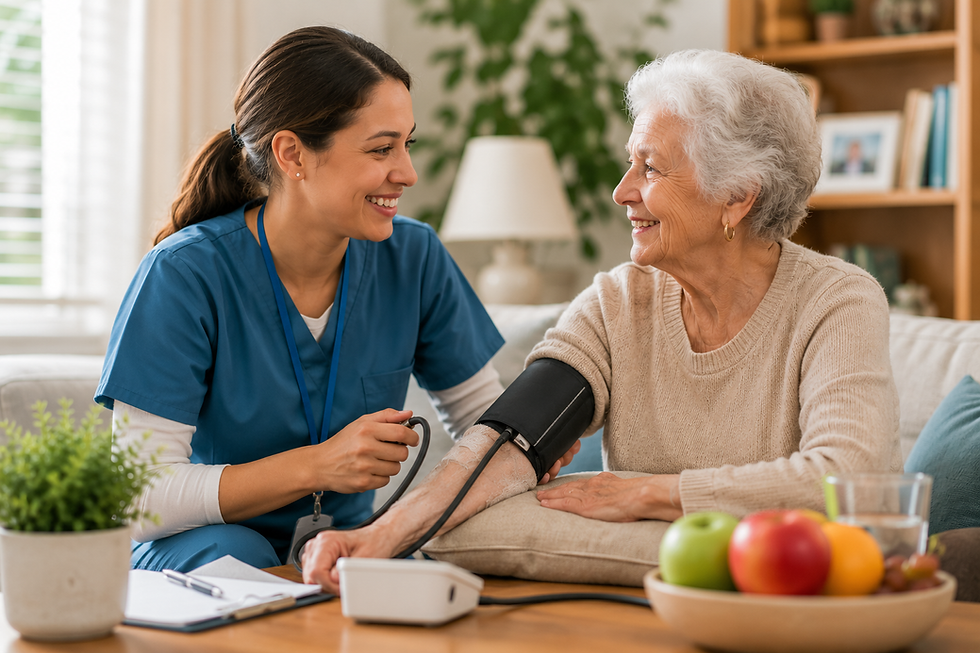
Monitoring blood pressure and cholesterol
Medication management
Lifestyle guidance for diet and exercise
Ongoing management of diabetes or other chronic conditions
Encouraging seniors to ask questions and understand their care plans helps build confidence and promotes active participation in their health.
How Caregivers Support Cardiovascular Health
Caregivers play a vital role in maintaining heart health, especially when seniors need help with daily routines or medical schedules.

Practical caregiver support may include:
Encouraging medication adherence
Assisting with heart-healthy meal preparation
Promoting safe, gentle physical activity
Monitoring symptoms and reporting changes
Providing emotional reassurance and reducing stress
Consistency is critical. Small daily actions often make the greatest long-term difference.
A Holistic Approach to Senior Heart Health
Heart health is not limited to medical treatment alone. Physical activity, balanced nutrition, emotional well-being, and social engagement all contribute to cardiovascular stability.
Seniors benefit most when care addresses both physical and emotional needs. Reliable routines, supportive relationships, and steady monitoring create a strong foundation for healthy aging.
At Supreme Home Care Services, we believe supporting heart health at home helps seniors maintain comfort, independence, and quality of life.
Final Thoughts
Heart health becomes increasingly important with age, but proactive steps can make a meaningful difference. Through awareness, preventive care, and compassionate support, seniors can manage heart conditions effectively while continuing to live safely at home.
Reliable information, consistent routines, and supportive care systems work together to protect both heart health and overall well-being.


Comments